
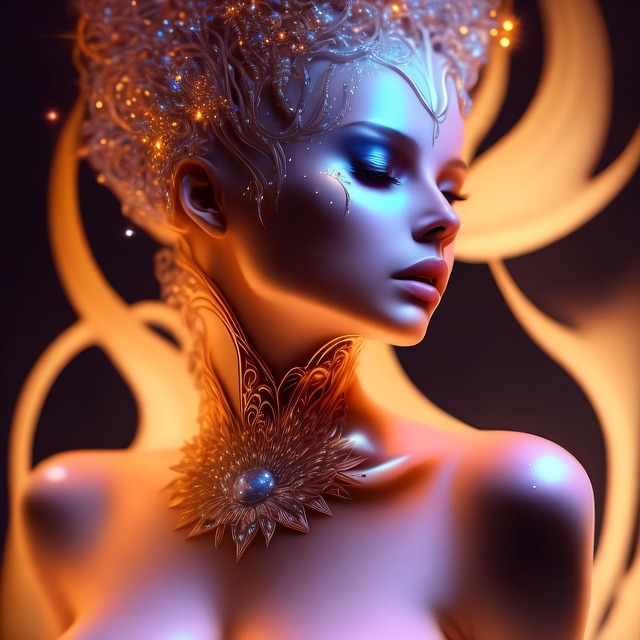
# AI Art: Unveiling the Intersection of Algorithms and Artistic Expression in Modern Visual Culture
In recent years, the art world has witnessed a profound transformation driven by the rise of artificial intelligence (AI). This technological revolution is reshaping not only how art is created but also how it is perceived and valued. Artists, technologists, and critics alike are grappling with the implications of this new medium, which blurs the lines between human creativity and machine-generated output. As we delve into the intersection of algorithms and artistic expression, it becomes evident that AI is not merely a tool; it is a collaborator that challenges traditional notions of authorship and creativity.
## The Evolution of AI in Art Creation
Initially, the concept of using machines to create art might seem counterintuitive. Historically, art has been viewed as a deeply human endeavor, rooted in emotion, experience, and individual expression. However, the advent of AI technologies has introduced a new paradigm. Machine learning algorithms, particularly those based on neural networks, can analyze vast datasets of existing artworks to generate new pieces that mimic various styles and techniques. This capability has led to the emergence of AI-generated art, which can range from abstract compositions to realistic portraits.
One of the most notable developments in this realm is the use of Generative Adversarial Networks (GANs). These algorithms consist of two neural networks—the generator and the discriminator—working in tandem to produce and evaluate art. The generator creates images based on a training dataset, while the discriminator assesses their quality. This iterative process allows the system to refine its outputs, resulting in increasingly sophisticated artworks. As a consequence, artists are beginning to embrace these technologies, integrating them into their creative processes to explore new aesthetic possibilities.
Moreover, the accessibility of AI tools has democratized art creation. Platforms such as DeepArt and Runway ML enable individuals with little to no technical expertise to experiment with AI-generated art. This shift has opened the doors for a broader range of voices to participate in the artistic dialogue, challenging the exclusivity of traditional art institutions. Consequently, the question arises: can AI-generated art hold the same value as that created by human hands? This debate continues to fuel discussions among artists, collectors, and critics alike.
## Rethinking Authorship and Creativity
As AI continues to play a pivotal role in the artistic landscape, it prompts a reevaluation of authorship and creativity. Traditionally, the artist is seen as the singular creator, a visionary whose unique perspective informs their work. However, with AI’s involvement, the notion of authorship becomes more complex. When an algorithm generates a piece of art, who is the true creator? Is it the programmer who developed the algorithm, the dataset that informed its learning, or the AI itself?
This ambiguity challenges the conventional understanding of creativity. Some argue that AI merely replicates existing styles and ideas, lacking the emotional depth and intentionality that characterize human art. Others contend that the collaboration between human and machine can lead to innovative forms of expression that transcend traditional boundaries. For instance, artists like Refik Anadol and Mario Klingemann have harnessed AI to create immersive installations that provoke thought and evoke emotion, demonstrating that technology can enhance rather than diminish the artistic experience.
In addition to questioning authorship, AI art raises ethical considerations regarding originality and ownership. As algorithms generate new works, the potential for copyright infringement becomes a pressing issue. When an AI creates a piece influenced by countless existing artworks, determining the originality of that creation can be challenging. The legal frameworks surrounding copyright are struggling to keep pace with these advancements, leading to calls for new policies that address the unique challenges posed by AI-generated content.
## The Impact of AI Art on Contemporary Culture
The influence of AI on art extends beyond the individual artist; it permeates contemporary culture as a whole. Galleries and museums are beginning to showcase AI-generated works, signaling a shift in institutional acceptance. Exhibitions featuring AI art challenge viewers to reconsider their perceptions of creativity and the role of technology in shaping artistic expression. For example, the auction of AI-generated artwork at Christie’s in 2018 marked a watershed moment, fetching over $432,000 and igniting conversations about the future of art in the digital age.
Furthermore, AI art is reshaping the way audiences engage with visual culture. The integration of interactive and generative elements in art installations allows viewers to become active participants in the creative process. This interactivity fosters a sense of connection and engagement that traditional art forms may struggle to achieve. By inviting audiences to influence the outcome of a piece, AI art redefines the relationship between the creator and the observer, blurring the lines between artist and audience.
In addition to its impact on galleries and exhibitions, AI art is also making waves in the commercial sector. Brands are increasingly leveraging AI to create visually striking marketing campaigns and product designs. The ability to generate unique visuals quickly and efficiently allows companies to stand out in a crowded marketplace. This trend raises questions about the future of traditional artistic careers, as the demand for AI-generated content continues to rise.
## Conclusion: Embracing the Future of AI Art
As we stand at the intersection of algorithms and artistic expression, it is clear that AI is transforming the landscape of visual culture. This evolution invites us to reconsider our definitions of creativity, authorship, and the role of technology in art. While challenges and ethical dilemmas persist, the potential for innovation and collaboration between humans and machines is vast. Artists who embrace AI as a creative partner can explore uncharted territories, pushing the boundaries of what art can be.
Ultimately, the rise of AI art represents not a replacement of human creativity but an expansion of it. By harnessing the capabilities of AI, artists can transcend traditional limitations, creating works that resonate with contemporary audiences in new and exciting ways. As we continue to navigate this dynamic intersection, one thing remains certain: the future of art will be shaped by the ongoing dialogue between human imagination and artificial intelligence.
