
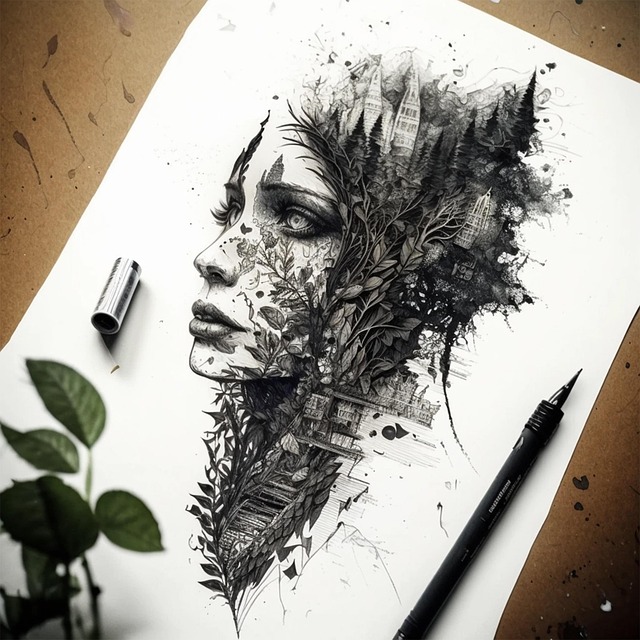
# AI Art Revolution: How Machine Learning is Redefining Visual Expression and Aesthetic Appreciation
The intersection of art and technology has always been a fertile ground for innovation. In recent years, artificial intelligence (AI) has emerged as a transformative force in the art world, reshaping how artists create, how audiences engage with visual media, and how we understand the very concept of creativity. This article delves into the profound implications of AI on artistic expression and aesthetic appreciation, exploring the mechanisms behind machine learning, the evolving role of the artist, and the broader cultural impact of this revolution.
## The Mechanics of Machine Learning in Art
Machine learning, a subset of artificial intelligence, involves the use of algorithms that can learn from and make predictions based on data. In the context of art, these algorithms can analyze vast datasets of images, styles, and techniques, enabling them to generate original artworks that reflect or innovate upon existing styles. Programs like DeepArt and DALL-E harness neural networks to create images that blend elements from multiple sources, resulting in unique compositions that often challenge traditional boundaries of artistic creation.
A notable example of this technology in action is the Generative Adversarial Network (GAN). GANs consist of two neural networks—the generator and the discriminator—that work in tandem. The generator creates images while the discriminator evaluates them against a set of criteria, ultimately pushing the generator to produce increasingly sophisticated and realistic visuals. This process not only facilitates the creation of artworks but also encourages a dialogue between the human artist and the machine, as artists can curate and refine the outputs generated by AI.
Moreover, the accessibility of AI tools has democratized art creation, allowing individuals without formal training to produce compelling visual works. Platforms like Artbreeder and Runway ML enable users to experiment with AI-generated art, fostering a new wave of creativity that transcends traditional artistic barriers. As a result, the landscape of visual expression is becoming more inclusive, inviting a diverse range of voices and perspectives into the artistic conversation.
## The Evolving Role of the Artist
As AI continues to permeate the art world, the role of the artist is undergoing a significant transformation. Traditionally seen as the sole creator, artists are now increasingly positioned as curators and collaborators in the creative process. This shift prompts a reevaluation of authorship and originality in art. With AI systems generating works that can rival those created by human hands, questions arise about the nature of creativity itself and what it means to be an artist in this new paradigm.
One perspective suggests that artists are not being replaced by AI but rather augmented by it. The integration of machine learning tools allows artists to explore new ideas and techniques that may have been previously inaccessible. For instance, artists can use AI to analyze their own styles and generate variations that inspire new directions in their work. This symbiotic relationship between human creativity and machine learning can lead to innovative artistic expressions that push the boundaries of what art can be.
Furthermore, the collaborative aspect of AI-generated art can foster a sense of community among artists. By sharing AI-generated outputs and techniques, artists can engage in collective experimentation, leading to the emergence of new movements and styles. This communal approach contrasts with the often solitary nature of traditional art-making, suggesting that the future of artistic expression may be more collaborative and interconnected.
## Cultural Impact and Aesthetic Appreciation
The rise of AI in art also has profound implications for aesthetic appreciation and cultural consumption. As audiences encounter AI-generated works, they are prompted to reconsider their understanding of beauty, skill, and artistic merit. The ability of machines to produce visually stunning images challenges preconceived notions about what constitutes “good” art and who is qualified to create it.
Art institutions and galleries are beginning to adapt to this new reality, with some even hosting exhibitions dedicated to AI-generated art. These exhibitions invite viewers to engage with the complexities of machine-generated works, encouraging a dialogue about the implications of AI on artistic value and cultural significance. As audiences grapple with these questions, there is a growing recognition that the appreciation of art is not solely about the artist’s hand but also about the ideas and emotions that the work evokes.
Moreover, the integration of AI into the art world has the potential to influence broader cultural narratives. As AI-generated art gains prominence, it may reshape societal attitudes toward technology, creativity, and the human experience. The conversation surrounding AI art often intersects with discussions about ethics, ownership, and the future of work, prompting society to confront the implications of increasingly sophisticated technologies.
In conclusion, the AI art revolution represents a paradigm shift in visual expression and aesthetic appreciation. Through the mechanics of machine learning, the evolving role of the artist, and the cultural impact of AI-generated works, we witness a redefinition of creativity itself. As we navigate this uncharted territory, it becomes essential to engage critically with the implications of AI in art, fostering an ongoing dialogue that embraces both the opportunities and challenges presented by this transformative technology. The future of art is not merely a reflection of human creativity but a dynamic interplay between human and machine, inviting us to expand our understanding of what art can be.
