
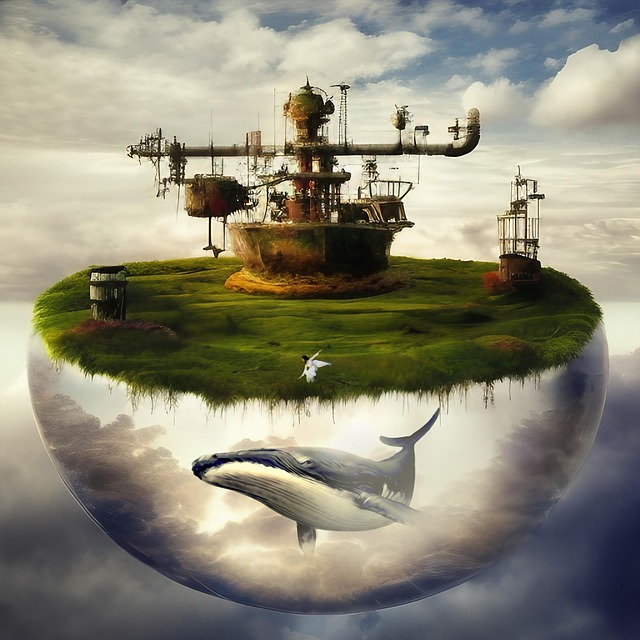
# AI Art: Exploring the Boundless Possibilities of Machine-Generated Visual Expression
The intersection of artificial intelligence (AI) and art has ushered in a transformative era for creative expression. As machine learning algorithms become increasingly sophisticated, artists and technologists are collaborating to redefine the boundaries of visual art. This article delves into the myriad ways AI is reshaping artistic creation, the implications for the future of art, and the ethical considerations that accompany this technological revolution.
## The Evolution of AI in Art
Historically, the relationship between technology and art has been one of collaboration and evolution. From the invention of the camera to the advent of digital painting, technological advancements have consistently influenced artistic practices. In recent years, AI has emerged as a revolutionary tool, enabling artists to explore new dimensions of creativity. Machine learning models, such as Generative Adversarial Networks (GANs) and neural networks, have become instrumental in generating stunning visual art that challenges traditional notions of authorship and creativity.
One of the most significant breakthroughs in AI art is the ability of algorithms to learn from vast datasets of existing artworks. By analyzing patterns, styles, and techniques, these systems can create original pieces that mimic or innovate upon the styles they have absorbed. For instance, artists can input specific parameters, such as color palettes or compositional structures, allowing AI to generate artworks that reflect their vision while introducing unexpected elements. This symbiotic relationship between human creativity and machine intelligence opens up a world of possibilities for artistic exploration.
## AI as a Collaborative Partner
Collaboration has always been at the heart of artistic practice, and AI is emerging as a unique partner in this creative process. Rather than replacing human artists, AI systems enhance their capabilities and offer new avenues for expression. By acting as a co-creator, AI can inspire artists to push the boundaries of their imagination. The creative process becomes a dialogue between human intuition and machine precision, resulting in artworks that are both innovative and deeply personal.
Employing AI tools, artists can experiment with styles and techniques that may have previously been outside their expertise. For instance, an artist skilled in traditional painting can use AI to generate digital compositions that incorporate elements of abstract art or surrealism. This blending of styles not only enriches the artist’s portfolio but also challenges the viewer’s perception of what constitutes art. As a result, the art world is witnessing a democratization of creativity, where individuals from diverse backgrounds can harness AI to express their unique visions.
Moreover, AI-generated art is not confined to a single medium. Artists are exploring the potential of AI in various forms, including installations, interactive experiences, and even virtual reality. These innovative approaches allow audiences to engage with art in ways that were previously unimaginable, fostering a deeper connection between the viewer and the artwork. The possibilities are boundless, as artists continue to experiment with AI to create immersive experiences that challenge traditional art forms.
## Ethical Considerations and the Future of AI Art
While the integration of AI into the art world is undeniably exciting, it also raises important ethical questions. The issue of authorship is at the forefront of this discussion. When a machine generates an artwork, who owns the rights to that piece? Is it the programmer, the artist who provided the input, or the AI itself? These questions challenge our understanding of creativity and ownership, prompting a reevaluation of intellectual property laws in the digital age.
Additionally, the potential for AI to replicate existing styles raises concerns about originality. As algorithms learn from vast datasets, there is a risk that they may inadvertently perpetuate biases present in the source material. This could lead to a homogenization of artistic expression, where unique voices are overshadowed by the dominant styles encoded in the AI’s training data. Artists and technologists must work together to ensure that AI serves as a tool for innovation rather than a mechanism for conformity.
Looking ahead, the future of AI art is poised to be dynamic and multifaceted. As technology continues to advance, we can expect to see even more sophisticated algorithms capable of generating increasingly complex and nuanced artworks. The role of the artist will evolve, with a greater emphasis on conceptualization and curation rather than mere execution. This shift will require artists to adapt their skills and embrace new forms of collaboration with AI, ultimately enriching the artistic landscape.
In conclusion, AI is transforming the art world in profound ways, offering artists new tools for expression and expanding the boundaries of creativity. As we navigate this evolving landscape, it is essential to engage in thoughtful discussions about the ethical implications of machine-generated art. By fostering collaboration between human creativity and artificial intelligence, we can unlock a future where art continues to inspire, challenge, and provoke thought in ways we have yet to imagine. The journey into the realm of AI art is just beginning, and the possibilities are truly boundless.
