
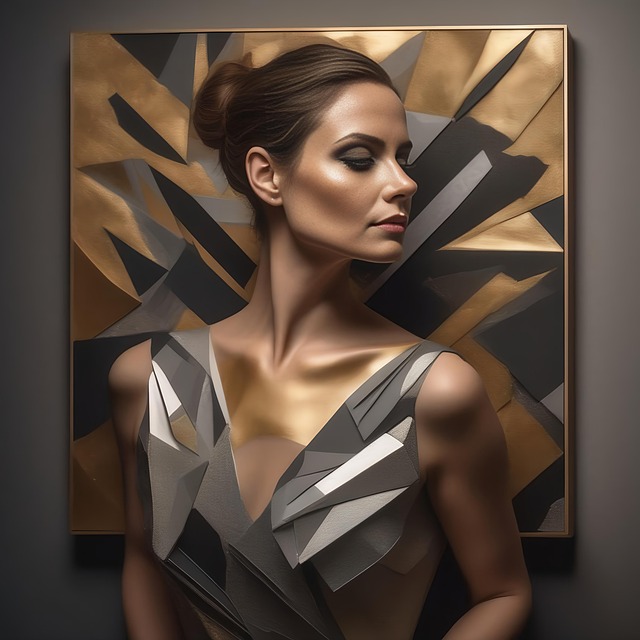
# The Intersection of Technology and Imagination: How AI is Transforming the Art World
In recent years, the art world has witnessed a seismic shift as artificial intelligence (AI) begins to redefine creativity and artistic expression. This transformation is not merely a technological advancement; it represents a profound evolution in how we conceive of art, creativity, and the role of the artist. As we delve into this intersection of technology and imagination, it becomes evident that AI is not just a tool for artists but a collaborator that challenges traditional notions of authorship and originality.
## The Rise of AI-Generated Art
AI-generated art has emerged as one of the most captivating developments within the contemporary art scene. Programs like DeepArt and DALL-E utilize neural networks to produce images that mimic various artistic styles or create entirely new visual experiences. By analyzing vast datasets of existing artwork, these algorithms can generate pieces that reflect the nuances of human creativity while introducing elements that may not have been previously conceived.
Artists are increasingly incorporating AI into their creative processes, using it to explore new forms and ideas. This collaboration often leads to unexpected results, as the unpredictable nature of AI can inspire artists to push their boundaries. For instance, artists like Refik Anadol and Mario Klingemann have gained recognition for their innovative works that blend human creativity with machine learning, effectively blurring the lines between creator and creation. This fusion not only expands the possibilities of artistic expression but also invites audiences to reconsider the very definition of art itself.
## Redefining Authorship and Originality
As AI continues to generate art, the question of authorship becomes increasingly complex. Traditional views of originality are challenged when a machine can produce works that rival those created by human hands. The debate surrounding who owns the rights to AI-generated art—whether it is the programmer, the user, or the AI itself—has sparked conversations among artists, legal experts, and ethicists alike.
To illustrate, the case of the AI-generated portrait “Edmond de Belamy,” created by the Paris-based art collective Obvious, raised eyebrows when it was auctioned for $432,500 at Christie’s in 2018. The portrait was generated using a machine learning algorithm trained on a dataset of historical portraits. This event marked a significant moment in art history, as it prompted discussions about the nature of creativity and the role of technology in artistic production. Many artists now find themselves navigating this new landscape, grappling with the implications of AI on their work and the broader art community.
Furthermore, the rise of AI art has led to a democratization of creativity. Tools that were once reserved for trained artists are now accessible to the general public, allowing anyone with a computer to create visually striking pieces. This shift has the potential to empower individuals who may not have had formal artistic training, fostering a more inclusive and diverse artistic landscape. As a result, the art world is becoming increasingly enriched by a multitude of voices and perspectives, challenging the elitist notions that have historically dominated the sphere.
## The Future of Art in an AI-Driven World
Looking ahead, the integration of AI into the art world is poised to continue evolving, with exciting possibilities on the horizon. As technology advances, artists will have access to increasingly sophisticated tools that can enhance their creative processes. For example, AI can assist in generating ideas, providing inspiration, or even collaborating on complex projects that require vast amounts of data analysis.
Moreover, the art market itself is experiencing transformation due to AI. Algorithms are being employed to analyze trends, predict market values, and even curate exhibitions. This data-driven approach allows galleries and collectors to make more informed decisions, potentially leading to a more sustainable and equitable art market. However, this reliance on technology also raises concerns about the potential for algorithmic bias and the commodification of art, which could detract from the emotional and cultural significance of artistic expression.
In addition, the role of the artist is likely to evolve as AI becomes more integrated into the creative process. Rather than being solely the creators of their works, artists may increasingly assume the role of facilitators, guiding AI systems to explore new ideas and concepts. This shift could lead to a richer dialogue between human and machine, where both contribute to the artistic narrative in unique ways.
## Conclusion: Embracing the New Paradigm
Ultimately, the intersection of technology and imagination heralds a new era for the art world, one that embraces the potential of AI while remaining rooted in the human experience. As artists, audiences, and critics navigate this evolving landscape, it is essential to foster conversations around the ethical implications of AI in art, ensuring that the technology serves to enhance rather than diminish the value of human creativity.
In this new paradigm, the art world stands to benefit from the collaboration between human intuition and machine intelligence. While AI may challenge our definitions of authorship and originality, it also opens doors to innovative forms of expression and engagement. By embracing these changes, the art community can harness the power of technology to inspire future generations of artists and art lovers alike, ensuring that creativity remains a vibrant and dynamic force in our society. As we look to the future, it is clear that the relationship between technology and imagination will continue to shape the art world in ways we have yet to fully comprehend.
