
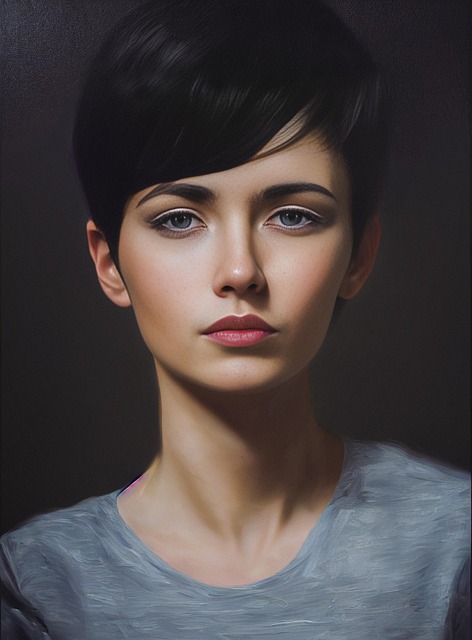
# The Intersection of Art and Algorithms: How AI is Redefining Visual Expression Today
The world of art has always been a reflection of the times, evolving with advancements in technology and shifts in societal perspectives. In recent years, the emergence of artificial intelligence (AI) has sparked a profound transformation in how art is created, perceived, and consumed. This article will explore the multifaceted relationship between AI and visual expression, examining the implications for artists, audiences, and the very definition of creativity.
## The Rise of AI in Artistic Creation
AI’s encroachment into the realm of art began with the development of machine learning algorithms capable of analyzing vast datasets of existing artworks. These algorithms can identify patterns, styles, and techniques, enabling them to generate new pieces that mimic or innovate upon traditional art forms. Notably, programs like DeepArt and DALL-E have gained recognition for their ability to produce stunning visual content, often blurring the lines between human and machine-generated works.
One of the most significant advancements in this field is Generative Adversarial Networks (GANs), which allow for the creation of entirely new images by training two neural networks against each other. This process not only enhances the quality of generated art but also introduces an element of unpredictability, as the AI learns to create based on feedback from its counterpart. As a result, the output can be both surprising and captivating, challenging conventional notions of authorship and originality.
Moreover, AI tools are increasingly being adopted by artists themselves, serving as collaborators rather than mere assistants. Artists are using AI to explore new creative avenues, experimenting with styles and techniques that may have been previously unattainable. By integrating AI into their workflows, they can push the boundaries of their artistic expression, leading to a renaissance of innovation in the visual arts.
## Redefining the Role of the Artist
Traditionally, the artist has been viewed as a solitary creator, imbued with unique insights and emotional depth. However, the integration of AI into the creative process is prompting a reevaluation of this role. The notion of the “artist” is evolving, as collaboration with algorithms becomes a more common practice. This shift raises questions about the nature of creativity itself: Can a machine truly be considered a co-creator, or does it merely serve as a tool for human expression?
In this new paradigm, artists are increasingly embracing the role of curators and facilitators. They design the parameters and provide the input that guides the AI, making critical decisions about the aesthetic direction of the work. This collaborative model allows for a more dynamic interplay between human intuition and algorithmic precision, resulting in artworks that are not only visually striking but also conceptually rich.
Furthermore, the democratization of art creation through AI tools is reshaping the art world. Aspiring artists, regardless of their technical skills, can now access sophisticated software that enables them to produce high-quality visual content. This accessibility has the potential to diversify the artistic landscape, allowing voices that may have been marginalized to emerge and express themselves through new mediums. As a result, the art community is becoming increasingly inclusive, reflecting a broader spectrum of experiences and perspectives.
## The Impact on Art Consumption and Critique
As AI-generated art gains traction, the ways in which audiences engage with and critique art are also undergoing significant changes. The proliferation of digital platforms has made it easier for consumers to access and share AI-generated content, leading to an explosion of visual expression online. Social media and art-sharing platforms have become vital arenas for both artists and viewers, fostering a vibrant dialogue around the nature of creativity and the role of technology in artistic production.
Critics and art historians are grappling with the implications of AI in the art world. The question of authenticity looms large: How do we evaluate the value and significance of a piece created by an algorithm? Traditional criteria for assessing art, such as technique, emotional resonance, and context, may need to be redefined in light of these new creations. Some argue that AI art lacks the emotional depth that human artists bring to their work, while others contend that the collaborative nature of AI art adds layers of complexity that enrich the viewing experience.
Additionally, the rise of AI-generated art has prompted discussions around copyright and ownership. When an artwork is created by an algorithm trained on existing works, who holds the rights to that creation? The legal framework surrounding intellectual property is struggling to keep pace with these technological advancements, leading to a landscape fraught with uncertainty. As artists and technologists navigate these challenges, it is clear that the intersection of art and algorithms will continue to provoke critical conversations about the future of creativity.
## Conclusion: A New Era of Artistic Expression
In summary, the intersection of art and algorithms is reshaping the landscape of visual expression in profound ways. AI is not merely a tool for creation; it is a catalyst for rethinking the role of the artist, the nature of creativity, and the ways in which art is consumed and critiqued. As we move forward, the dialogue between human intuition and algorithmic innovation will undoubtedly continue to evolve, leading to new forms of artistic expression that challenge our understanding of what art can be.
The implications of this transformation are far-reaching, touching upon questions of identity, authorship, and the very essence of creativity. As artists and audiences alike embrace the possibilities offered by AI, we stand on the brink of a new era in the art world—one that promises to be as complex and multifaceted as the algorithms that drive it. In this exciting landscape, the potential for innovation and exploration is virtually limitless, inviting us all to reconsider our relationship with art in an increasingly digital age.
