
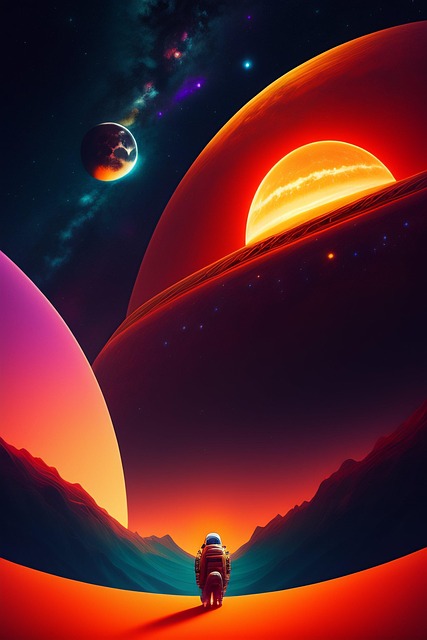
# Pushing Artistic Boundaries: The Impact of AI on the Future of Visual Arts and Expression
The intersection of technology and creativity has long been a fertile ground for innovation, and in recent years, artificial intelligence (AI) has emerged as a transformative force in the realm of visual arts. As artists increasingly turn to AI tools to expand their creative horizons, the implications for artistic expression, the creative process, and the definition of art itself are profound. This article explores the ways in which AI is reshaping the landscape of visual arts, examining its potential benefits, challenges, and the future it heralds for artists and audiences alike.
## Redefining the Creative Process
One of the most significant ways AI is transforming visual arts is by redefining the creative process itself. Traditionally, artistic creation has been viewed as an inherently human endeavor, characterized by intuition, emotion, and personal experience. However, AI tools are now enabling artists to explore new methodologies that challenge these conventions. For instance, programs like DALL-E and Midjourney allow creators to generate images from textual descriptions, effectively democratizing the artistic process. This not only empowers individuals who may lack traditional artistic skills but also encourages established artists to experiment with novel approaches.
Moreover, the integration of AI into the creative workflow can lead to unexpected outcomes. Artists can collaborate with AI systems that analyze vast datasets to suggest stylistic elements or generate variations of a piece, resulting in a fusion of human creativity and machine learning. This collaborative dynamic encourages artists to embrace uncertainty and spontaneity, pushing them to explore artistic territories they may not have considered otherwise. As a result, the creative process becomes more of a dialogue between human and machine, fostering a new form of artistic expression that is both innovative and unpredictable.
## Expanding Artistic Possibilities
Another critical aspect of AI’s impact on visual arts is its ability to expand the possibilities of artistic expression. The technology enables artists to experiment with styles, techniques, and mediums that were previously inaccessible or too labor-intensive. For example, AI algorithms can analyze and replicate the techniques of renowned artists, allowing contemporary creators to incorporate elements of classic styles into their work. This blending of influences not only enriches the visual arts landscape but also encourages a more inclusive understanding of artistic heritage.
Furthermore, AI-generated art has begun to carve out its own niche within the art world. Exhibitions featuring AI-created works challenge traditional notions of authorship and originality. As AI systems learn from vast amounts of data, they create pieces that can evoke emotional responses and provoke thought, similar to human-made art. This emergence of AI as a legitimate artist raises important questions about the role of the creator and the value of art itself. What does it mean for a piece to be “authentic” if it is generated by an algorithm? As these discussions unfold, they push the boundaries of artistic discourse, inviting audiences to reconsider their perceptions of creativity and expression.
## Navigating Ethical Considerations
While the integration of AI in visual arts presents exciting opportunities, it also raises a host of ethical considerations that must be navigated carefully. The use of AI in art creation often involves the analysis of existing works, which can lead to concerns about copyright infringement and intellectual property. Artists may question whether AI-generated pieces, which rely on training data derived from their own works, infringe upon their rights. Establishing clear guidelines and frameworks for the use of AI in art is essential to ensure that artists are fairly compensated and credited for their contributions.
Additionally, the potential for AI to perpetuate biases present in its training data poses another ethical dilemma. If an AI system is trained on a dataset that lacks diversity, the resulting artwork may reflect and reinforce those biases, limiting the scope of representation in the visual arts. Artists and technologists alike must remain vigilant in addressing these issues, advocating for inclusive datasets and ethical AI practices that promote diversity and equity in artistic expression.
The future of visual arts is undeniably intertwined with the advancements in AI technology. As artists continue to explore the capabilities of AI, they will undoubtedly uncover new ways to express their visions and challenge conventional artistic boundaries. This ongoing evolution will not only enrich the art world but also inspire future generations of creators to embrace technology as a tool for innovation and exploration.
### Conclusion: A New Era of Artistic Expression
In conclusion, the impact of AI on visual arts is profound and multifaceted, offering both opportunities and challenges for artists and audiences alike. The redefinition of the creative process, the expansion of artistic possibilities, and the navigation of ethical considerations are all critical components of this transformative era. As we stand on the brink of a new chapter in artistic expression, it is essential to foster a dialogue that embraces the potential of AI while remaining mindful of the ethical implications it entails.
Ultimately, the collaboration between human creativity and artificial intelligence holds the promise of a vibrant and diverse future for visual arts. By pushing artistic boundaries and redefining the very essence of creativity, AI invites us to rethink what art can be and how it can resonate with our shared human experience. As we embrace this new frontier, we must remain committed to ensuring that the evolution of art through technology is inclusive, ethical, and reflective of the diverse tapestry of human expression.
