
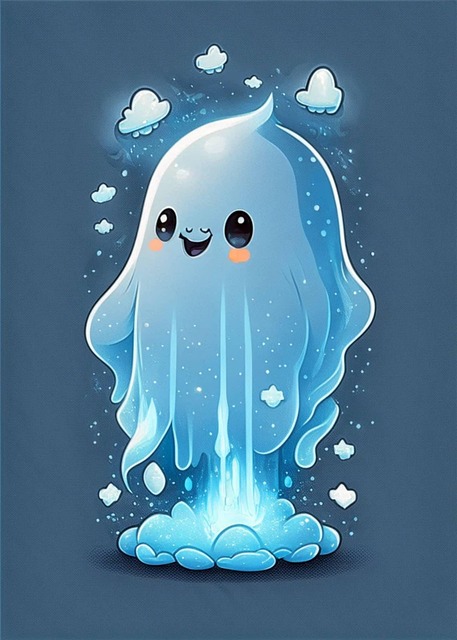
# Exploring the Intersection of AI Art and Human Experience: A New Era of Visual Expression
The advent of artificial intelligence (AI) has ushered in a transformative era across numerous industries, and the realm of art is no exception. As AI technologies continue to evolve, they are reshaping the landscape of visual expression, challenging traditional notions of creativity, authorship, and the very essence of art itself. This article delves into the multifaceted ways AI is influencing artistic creation, the implications for human experience, and the emerging dialogue between human artists and their AI counterparts.
## The Evolution of AI in Art Creation
In recent years, AI has transitioned from a theoretical concept to a practical tool for artists. Initially, algorithms were employed to assist in tasks such as color selection or composition, but the introduction of generative adversarial networks (GANs) has revolutionized the field. GANs consist of two neural networks—the generator and the discriminator—that work in tandem to produce new images based on existing datasets. This technology allows artists to create unique pieces that blend styles and concepts, resulting in artworks that may not have been conceived through traditional methods.
AI-generated art has garnered significant attention, with pieces selling for hundreds of thousands of dollars at auction houses. This phenomenon raises questions about the nature of creativity and originality. Can a machine truly create art, or is it merely a reflection of human input? The debate intensifies as AI-generated works become more sophisticated, blurring the lines between human and machine creativity. Artists are increasingly collaborating with AI, utilizing it as a partner rather than a replacement, which fosters an innovative approach to artistic expression.
Moreover, AI’s ability to analyze vast amounts of data enables it to identify patterns and trends within art history. By understanding various artistic movements and styles, AI can generate works that resonate with contemporary aesthetics while also paying homage to the past. This synthesis of historical knowledge and modern technology creates a rich tapestry of visual expression that challenges the boundaries of what art can be.
## The Impact on Artistic Authenticity and Ownership
As AI continues to influence the creation of art, discussions surrounding authenticity and ownership have become increasingly pertinent. Traditional definitions of authorship are being reexamined, particularly when artworks are generated by algorithms. Who is the true creator of an AI-generated piece—the programmer, the artist who provided the input, or the AI itself? This question has profound implications for the art world, including copyright issues and the valuation of artworks.
The emergence of AI art has also prompted artists to redefine their roles. Rather than being the sole creators, many artists are now positioned as curators or facilitators of the AI’s output. This shift encourages a collaborative spirit, where human intuition and emotional depth are combined with AI’s computational prowess. Such collaborations can yield unexpected results, leading to new forms of artistic expression that challenge conventional aesthetics.
In addition to redefining authorship, the rise of AI-generated art raises concerns about the commodification of creativity. As AI tools become more accessible, the potential for mass production of art increases. This democratization of art creation could diminish the perceived value of unique, handcrafted works. However, it also opens doors for a broader range of voices and perspectives in the art world, allowing individuals who may not have had access to traditional artistic training to express themselves creatively.
## The Human Experience: Emotion, Connection, and AI Art
While AI has made significant strides in generating visually compelling works, the emotional resonance of art remains a distinctly human experience. Art has long served as a medium for expressing complex emotions, capturing the nuances of the human condition. The challenge lies in whether AI can evoke similar emotional responses in viewers. Some argue that AI lacks the lived experiences that inform human creativity, leading to a disconnect between the artwork and the audience.
Conversely, AI-generated art can provoke new emotional responses by presenting familiar themes in unfamiliar ways. The juxtaposition of human and machine-generated elements can create a sense of intrigue and curiosity, prompting viewers to reconsider their perceptions of art. This interplay can foster a dialogue about the nature of creativity and the role of technology in shaping our emotional landscapes.
Furthermore, AI art has the potential to enhance accessibility in the art world. By generating artworks that cater to diverse tastes and preferences, AI can engage a wider audience, inviting individuals from various backgrounds to explore artistic expression. This inclusivity can deepen the connection between art and the viewer, as more people find resonance with AI-generated works that reflect their experiences or aspirations.
In addition to accessibility, AI can facilitate new forms of interactive art experiences. For instance, installations that respond to viewer input or generate real-time visuals based on audience engagement create a dynamic relationship between the artwork and its audience. Such experiences emphasize the collaborative nature of art in the age of AI, where the viewer becomes an active participant in the creative process.
## Conclusion: Embracing the Future of AI Art
The intersection of AI and art represents a new frontier in visual expression, one that challenges traditional paradigms and invites innovative exploration. As artists embrace AI as a collaborative partner, they are redefining creativity and expanding the boundaries of artistic practice. This evolution prompts critical discussions about authorship, authenticity, and the emotional resonance of art in a technologically driven world.
While the implications of AI art are still unfolding, it is clear that the dialogue between human experience and machine-generated creativity will continue to shape the future of visual expression. As we navigate this new era, the potential for collaboration, innovation, and inclusivity in the art world is immense. Embracing the transformative power of AI may lead to a richer, more diverse artistic landscape, one that reflects the complexities of both human experience and technological advancement.
