
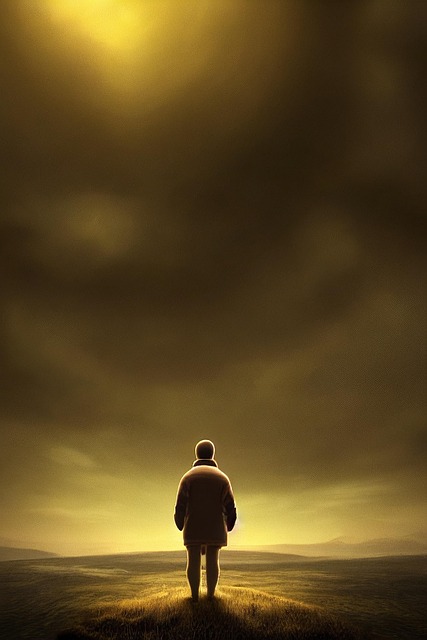
# Artificial Intelligence and Art: The New Frontier of Visual Exploration and Expression
The intersection of artificial intelligence (AI) and art is reshaping the landscape of creative expression, offering artists unprecedented tools and avenues for exploration. As technology continues to evolve, AI is not merely a tool for artists; it is becoming a collaborative partner in the creative process. This article delves into the transformative impact of AI on the art world, exploring its capabilities, implications for artists, and the philosophical questions it raises about creativity.
## The Capabilities of AI in Art Creation
Artificial intelligence has made significant strides in recent years, particularly in the realm of visual arts. Machine learning algorithms, especially those based on neural networks, have been developed to analyze vast datasets of existing artworks. Through this analysis, AI can generate new images that mimic various styles, techniques, and themes. Tools like DeepArt and DALL-E have gained popularity for their ability to create compelling visuals that blend human creativity with machine-generated aesthetics.
One of the most remarkable applications of AI in art is the ability to create original pieces that push the boundaries of traditional artistic expression. For instance, generative adversarial networks (GANs) can produce images that are indistinguishable from those created by human artists. These algorithms consist of two neural networks—the generator and the discriminator—that work against each other to improve the quality of the generated images. As a result, artists can experiment with styles and compositions that may have been previously unimaginable, leading to a new genre of art that is both innovative and engaging.
Furthermore, AI tools enable artists to enhance their creative processes by providing suggestions, automating repetitive tasks, and even predicting trends. By analyzing historical data and contemporary styles, AI can assist artists in making informed decisions about color palettes, composition, and subject matter. This symbiosis between human creativity and machine intelligence fosters an environment where artists can focus on higher-level conceptualization while leaving the technical aspects to AI.
## Implications for Artists and the Creative Process
With the advent of AI in the artistic realm, the role of the artist is evolving. Traditionally, artists have been seen as the sole creators of their work, but AI challenges this notion by introducing a collaborative element to the creative process. Artists are now faced with the opportunity to work alongside AI, using it as a co-creator rather than a mere tool. This shift encourages a re-evaluation of authorship and originality in art.
In this new paradigm, the artist’s role transforms into that of a curator or conductor, guiding the AI in generating art that aligns with their vision. This collaborative dynamic allows for a more fluid exchange of ideas, resulting in artworks that reflect a fusion of human emotion and machine precision. Artists can experiment with different inputs, styles, and techniques, leading to a diverse range of outputs that challenge traditional definitions of creativity and artistic expression.
Moreover, the integration of AI into the creative process democratizes art-making. Accessibility to sophisticated AI tools means that individuals without formal training in art can produce compelling visuals. This shift has the potential to broaden the spectrum of voices and perspectives in the art world, fostering inclusivity and diversity. As a result, art becomes a more collaborative and communal endeavor, with a wider array of contributors shaping the narrative.
## Philosophical Questions and Future Directions
The rise of AI in art brings forth profound philosophical questions about the nature of creativity and the essence of art itself. If a machine can create a piece of art that elicits emotional responses, can it be considered “creative” in the same way a human artist is? This inquiry challenges long-held beliefs about the uniqueness of human creativity and the emotional depth that often accompanies artistic expression.
Critics argue that AI-generated art lacks the emotional resonance and intention that characterize human-made works. They contend that art is not merely about the final product but also about the journey and the artist’s personal experiences. In this view, AI may be able to produce aesthetically pleasing images, but it cannot replicate the emotional narratives that human artists imbue in their work. Conversely, proponents of AI in art argue that the emotional impact of a piece is not solely dependent on its creator but also on the viewer’s interpretation and experience.
Looking ahead, the future of AI in art is likely to be characterized by continued experimentation and innovation. As technology evolves, artists will have access to increasingly sophisticated tools that can enhance their creative capabilities. The potential for AI to analyze and synthesize cultural trends may lead to the emergence of entirely new art movements, driven by data and algorithmic insights. Additionally, as society grapples with the implications of AI-generated art, discussions around ethics, copyright, and the definition of creativity will become increasingly relevant.
In conclusion, the fusion of artificial intelligence and art represents a new frontier of visual exploration and expression. By harnessing the capabilities of AI, artists can expand their creative horizons, collaborate with machines, and challenge conventional notions of authorship and originality. As this dynamic relationship continues to evolve, it will undoubtedly shape the future of art in ways we have yet to fully comprehend. The journey into this uncharted territory promises to be as exciting as it is complex, inviting artists and audiences alike to engage with the evolving narrative of creativity in the age of AI.
