
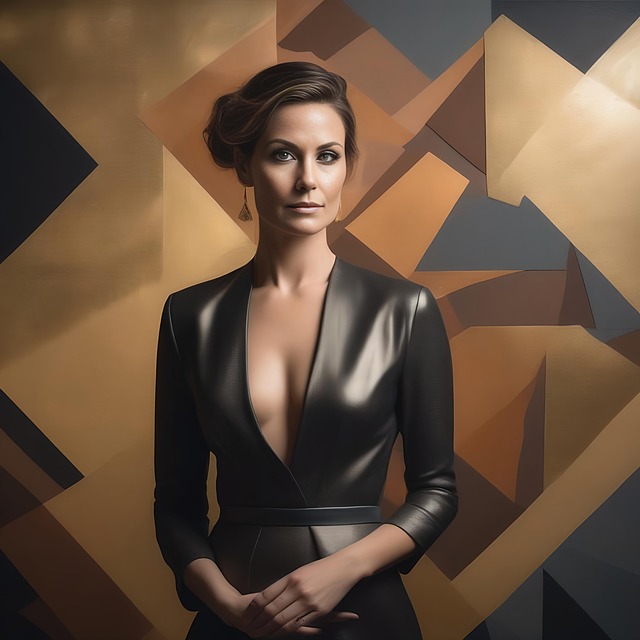
# AI Artistry Unleashed: The Dynamic Fusion of Technology and Imagination in Visual Expression
The intersection of artificial intelligence and art is a rapidly evolving landscape that is reshaping the way we think about creativity. As technology advances, artists are increasingly turning to AI as a collaborator rather than a mere tool. This article explores the transformative impact of AI on the art world, examining how it enhances creativity, challenges traditional notions of authorship, and opens new avenues for artistic expression.
## The Evolution of AI in Art Creation
Historically, the relationship between technology and art has been a complex one. From the invention of the camera to the rise of digital painting, each technological advancement has prompted artists to rethink their mediums and methods. In recent years, AI has emerged as a groundbreaking force in this ongoing evolution. By employing algorithms and machine learning, artists can now generate images and compositions that were previously unimaginable.
One of the most notable developments in AI art is the advent of generative adversarial networks (GANs). GANs consist of two neural networks—the generator and the discriminator—that work in tandem to create new images. The generator creates images based on training data, while the discriminator evaluates them against a dataset of existing artworks. This back-and-forth process enables the AI to refine its output, resulting in increasingly sophisticated and original pieces. As artists experiment with GANs, they discover new styles and forms, pushing the boundaries of visual expression.
Moreover, AI tools like DeepArt and DALL-E have democratized access to art creation. These platforms allow users to transform photographs into stylistic interpretations or generate entirely new images from textual descriptions. The ease with which individuals can create compelling visuals has led to a surge of creativity, blurring the lines between professional artists and amateurs. This accessibility invites a broader audience to engage with art, fostering a culture of experimentation and innovation.
## Redefining Authorship and Ownership
The rise of AI in art creation raises profound questions about authorship and ownership. Traditionally, the artist has been seen as the sole creator, imbued with a unique vision and style. However, when an AI algorithm generates a piece of art, the question arises: who is the true artist? This dilemma challenges our understanding of creativity and intellectual property, prompting discussions among artists, legal experts, and ethicists alike.
In some cases, artists use AI as a tool to enhance their creative process, maintaining a significant role in the final output. For instance, an artist might use AI to generate multiple variations of a concept, selecting and refining the best elements to create a cohesive artwork. In such scenarios, the artist’s vision remains paramount, and AI serves as a facilitator rather than a replacement. This collaborative approach can lead to innovative outcomes that reflect both human intuition and machine learning.
Conversely, the emergence of fully autonomous AI-generated artworks complicates the narrative of authorship. When an AI creates a piece without direct human input, questions about ownership arise. Who owns the rights to an artwork created by an algorithm? Is it the programmer, the user, or the AI itself? Legal frameworks around copyright are still catching up to these advancements, leading to a landscape fraught with ambiguity. As society grapples with these issues, artists and technologists must work together to establish ethical guidelines that respect both human creativity and technological innovation.
## Expanding the Horizons of Artistic Expression
Beyond the philosophical implications, AI is expanding the horizons of artistic expression in exciting and unexpected ways. Artists are now able to explore new mediums and techniques that were previously constrained by human limitations. For example, AI can analyze vast datasets of art history, identifying patterns and styles that can inspire contemporary creations. This synthesis of past and present allows artists to create works that resonate with historical significance while remaining avant-garde.
Additionally, the integration of AI in art is fostering interdisciplinary collaboration. Artists are increasingly partnering with scientists, engineers, and technologists to explore the potential of AI in their work. This fusion of disciplines is leading to groundbreaking projects that merge visual art with data visualization, interactive installations, and immersive experiences. The result is a vibrant ecosystem where creativity knows no bounds, and innovation thrives.
Furthermore, AI-generated art is finding its place in traditional art markets. Galleries and auction houses are beginning to showcase works created by AI, challenging the perception of what constitutes “fine art.” High-profile sales of AI-generated pieces, such as those by the collective Obvious or the work of artist Refik Anadol, have sparked interest and debate within the art community. As collectors and institutions embrace AI art, it is clear that this fusion of technology and imagination is not just a passing trend but a significant shift in the art world.
## Conclusion: A New Era of Artistic Possibilities
In summary, the integration of AI into the art world signifies a new era of artistic possibilities. By enhancing creativity, challenging traditional notions of authorship, and expanding the horizons of expression, AI is transforming the landscape of visual art. As artists continue to explore the potential of this technology, we can expect to see an ever-evolving dialogue between human imagination and machine intelligence.
The future of art is not simply a matter of man versus machine; rather, it is about collaboration and coexistence. By embracing AI as a partner in the creative process, artists can unlock new dimensions of expression, pushing the boundaries of what art can be. As we stand on the brink of this exciting frontier, one thing is certain: the fusion of technology and imagination will continue to inspire and challenge us in ways we have yet to fully comprehend.
