
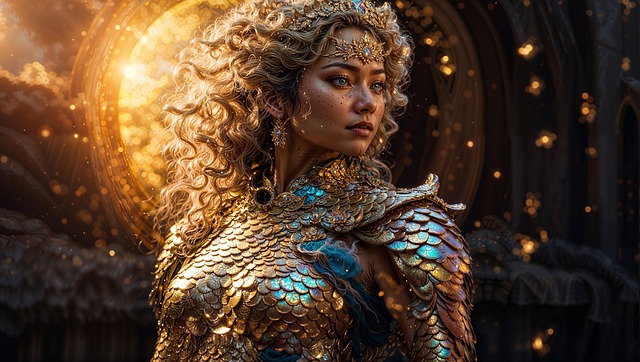
# AI Art: Unveiling the Transformative Impact of Machine Learning on Visual Culture and Expression
The intersection of artificial intelligence and art has sparked a revolution in the creative landscape, fundamentally altering how artists create, how audiences perceive art, and how we define creativity itself. As machine learning algorithms become increasingly sophisticated, they are not only tools for artists but also collaborators that challenge traditional notions of authorship and originality. This article explores the transformative impact of AI on visual culture and expression, examining the technology’s capabilities, its implications for artists and audiences, and the ethical considerations that arise in this rapidly evolving field.
## The Evolution of AI in Art Creation
In recent years, AI has transitioned from a niche technology to a powerful force in the art world. Early experiments with generative art relied on simple algorithms, producing basic visual outputs. However, advancements in machine learning, particularly in neural networks, have allowed for the creation of complex and nuanced artworks. Techniques such as Generative Adversarial Networks (GANs) enable machines to learn from vast datasets of existing art, effectively mimicking styles and techniques from different periods and movements.
Artists have begun to embrace these technologies, using AI as a medium to explore new forms of expression. For instance, artists like Refik Anadol and Mario Klingemann have integrated AI into their creative processes, producing works that challenge the boundaries of traditional artistry. By leveraging AI’s ability to analyze and synthesize information, these creators can generate unique pieces that blend human intuition with machine precision. The result is a new genre of art that invites viewers to engage with the creative process in unprecedented ways.
Moreover, the democratization of AI tools has empowered a broader range of individuals to participate in artistic creation. Platforms like DeepArt and Runway ML allow users with little to no programming experience to create AI-generated art, fostering a community of creators who might not have previously considered themselves artists. This shift not only expands the definition of who can create art but also encourages diverse perspectives and innovations in visual culture.
## Redefining Authorship and Originality
As AI-generated artworks proliferate, questions surrounding authorship and originality have come to the forefront of artistic discourse. Traditionally, the notion of authorship has been closely tied to the individual artist’s vision and intent. However, with AI as a collaborator, the lines become increasingly blurred. Who is the true creator of an artwork: the artist who programmed the algorithm, the algorithm itself, or the dataset from which the AI learned?
The debate over authorship raises significant implications for the art market and intellectual property rights. In 2018, an AI-generated portrait titled “Edmond de Belamy” made headlines when it sold at auction for an astounding $432,500. This event prompted discussions about the value of AI art and whether it should be regarded on par with works created by human hands. Critics argue that AI lacks the emotional depth and conscious intent that characterize human artistry, while proponents assert that the collaboration between human and machine can yield new forms of creativity that deserve recognition.
Furthermore, the concept of originality is also challenged by the use of AI. Since algorithms learn from existing works, there is an inherent risk of producing art that may be derivative or lack authenticity. In response, some artists have begun to incorporate their own creative processes into the AI’s outputs, ensuring that their unique vision remains integral to the final piece. This hybrid approach not only preserves the artist’s voice but also highlights the collaborative potential of AI in the creative process.
## Ethical Considerations and Future Directions
The rise of AI in the art world is not without its ethical dilemmas. As machine learning systems grow more advanced, concerns about bias, representation, and the potential for exploitation have emerged. AI algorithms are trained on datasets that may reflect societal biases, leading to artworks that unintentionally perpetuate stereotypes or marginalize certain communities. Artists and technologists must remain vigilant in addressing these issues, ensuring that the datasets used to train AI models are diverse and representative of the broader human experience.
Additionally, the environmental impact of AI technology cannot be overlooked. The computational power required for training large-scale models contributes to significant energy consumption, raising questions about the sustainability of AI art practices. As the art world grapples with these challenges, there is a growing movement towards developing more eco-friendly AI technologies and practices that minimize the carbon footprint of digital creation.
Looking ahead, the future of AI in art is poised for further evolution. As technology continues to advance, we can expect to see even more innovative applications of AI in various artistic disciplines. From interactive installations that respond to viewer input to virtual reality experiences that immerse audiences in AI-generated worlds, the possibilities are limitless. Collaborations between artists, technologists, and ethicists will be crucial in shaping a future where AI art can thrive while remaining mindful of its societal implications.
## Conclusion
The transformative impact of AI on visual culture and expression is undeniable. As machine learning reshapes the landscape of artistic creation, it invites us to reconsider our definitions of creativity, authorship, and originality. While the integration of AI into the art world presents exciting opportunities for innovation and collaboration, it also raises important ethical questions that must be addressed. By navigating these complexities thoughtfully, we can harness the power of AI to enrich our artistic experiences and foster a more inclusive and diverse visual culture for generations to come.
