
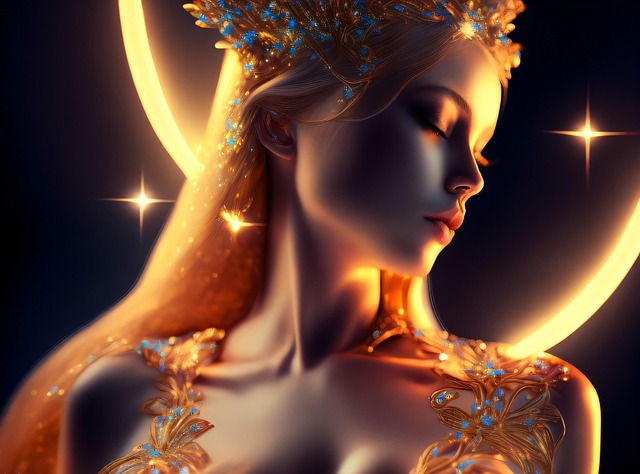
# AI Art Unleashed: Exploring the Boundless Possibilities of Machine-Generated Visuals
The intersection of artificial intelligence and art has opened a new frontier in creativity, where machines are not merely tools but collaborators in the artistic process. As algorithms evolve, they are capable of generating stunning visuals that challenge traditional notions of authorship and creativity. This article delves into how AI is transforming the landscape of visual art, examining its capabilities, implications, and the future it promises.
## The Mechanics of Machine-Generated Art
At the core of AI-generated art lies a complex interplay of algorithms, neural networks, and vast datasets. Generative Adversarial Networks (GANs) are among the most prominent techniques in this realm. These networks consist of two components: a generator that creates images and a discriminator that evaluates their authenticity. Through iterative training, the generator learns to produce increasingly sophisticated visuals that can mimic human artistry. This foundational technology allows machines to create everything from abstract pieces to hyper-realistic portraits.
In addition to GANs, other algorithms like style transfer and deep learning enhance the creative process. Style transfer enables AI to apply the visual characteristics of one image to another, allowing artists to combine their unique styles with the computational finesse of AI. This technique has led to the emergence of artworks that blend the aesthetics of renowned artists with contemporary themes, resulting in a rich tapestry of visual experiences. The ability of AI to analyze and synthesize vast amounts of data also means it can identify patterns and trends in art history, inspiring new forms of expression that might not have been conceived by human artists alone.
## Redefining Creativity and Authorship
The rise of AI in the art world prompts critical questions about creativity and authorship. Traditionally, art has been viewed as a deeply human endeavor, rooted in personal experience, emotion, and intention. However, as machines begin to generate art, the definition of creativity is evolving. AI-generated works can evoke emotions and provoke thought, yet they lack the personal narrative that typically accompanies human-created art. This dichotomy challenges our understanding of what it means to be an artist.
Moreover, the issue of authorship becomes increasingly complex. When a machine creates a piece of art, who is the true creator? Is it the programmer who developed the algorithm, the user who prompted the AI, or the AI itself? Legal frameworks surrounding copyright and intellectual property are struggling to keep pace with these developments. As a result, artists and technologists are engaging in ongoing discussions about the ethical implications of machine-generated art, leading to new models of collaboration that respect both human creativity and technological innovation.
## The Future of AI in Art
Looking ahead, the future of AI in the art world is filled with potential and promise. Artists are beginning to embrace AI as a collaborative partner rather than a competitor. This shift is fostering a new wave of creativity, where human intuition and machine efficiency coexist. As artists experiment with AI tools, they are discovering novel ways to express their visions, often leading to unexpected results that push the boundaries of traditional art forms.
Emerging technologies such as augmented reality (AR) and virtual reality (VR) are also being integrated with AI to create immersive art experiences. These technologies allow viewers to interact with art in unprecedented ways, blurring the lines between the creator and the audience. Imagine walking through a virtual gallery where AI-generated art evolves in real-time based on your reactions or preferences. Such experiences are not just a glimpse into the future; they are already beginning to shape the way we perceive and engage with art.
Furthermore, the democratization of art creation through AI tools is empowering a broader range of individuals to express themselves artistically. Platforms that utilize AI to assist in the creation process are making art more accessible, allowing those without formal training to explore their creative potential. This democratization could lead to a flourishing of diverse voices in the art world, enriching the cultural landscape with new perspectives and narratives.
## Conclusion: Embracing the AI Art Revolution
As we navigate this transformative era, it is essential to embrace the possibilities that AI brings to the art world. The collaboration between human and machine is not merely a technological advancement; it represents a profound shift in how we conceive of creativity and artistic expression. By integrating AI into the creative process, artists can explore uncharted territories, pushing the boundaries of what art can be.
Ultimately, the emergence of AI-generated art invites us to reflect on our own humanity and the essence of creativity. As we stand on the precipice of this new artistic frontier, it is crucial to foster an environment where innovation thrives while respecting the rich history of human artistry. The future of art is not just about machines generating visuals; it is about a harmonious relationship that enriches the human experience, celebrating the boundless possibilities of creativity in all its forms.
