
# AI Art: Navigating the Intersection of Technology and Aesthetic Experience in Modern Visual Culture
The advent of artificial intelligence (AI) has catalyzed a remarkable transformation across various sectors, with the art world standing out as a particularly dynamic arena. As algorithms and machine learning techniques evolve, they are reshaping how art is created, perceived, and distributed. This article explores the multifaceted impact of AI on contemporary visual culture, delving into the implications for artists, audiences, and the broader art ecosystem.
## The Genesis of AI in Art Creation
From the outset, AI’s integration into the art-making process has provoked both excitement and skepticism. Early experiments in algorithmic art can be traced back to the 1960s, but it wasn’t until the 21st century that machine learning began to revolutionize artistic practices. Today, AI tools such as Generative Adversarial Networks (GANs) enable artists to generate images, music, and even poetry by training on vast datasets. These algorithms learn patterns and styles, producing works that can mimic the aesthetic qualities of renowned artists or create entirely new forms of expression.
Artists are increasingly leveraging these technologies to push the boundaries of creativity. For instance, the collaboration between humans and machines fosters a unique synergy, where the artist acts as a curator, guiding the AI while still allowing it to surprise them with unexpected results. This interplay raises critical questions about authorship and originality. Who is the true creator—the artist or the algorithm? Such inquiries not only challenge traditional notions of artistic genius but also invite a reevaluation of the role of technology in the creative process.
## The Experience of AI-Generated Art
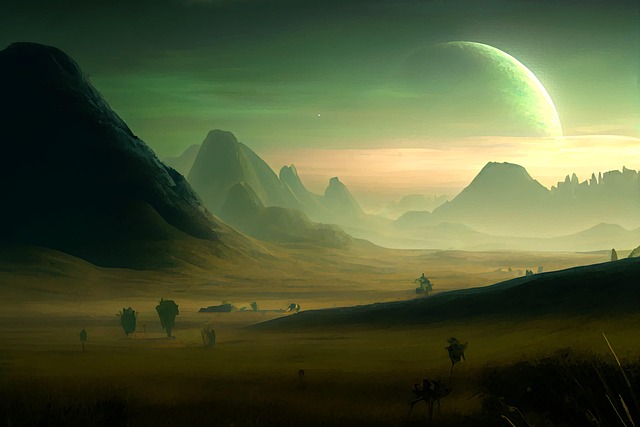
Viewing AI-generated art offers a distinct experience compared to traditional artworks. The aesthetic encounter is often marked by a sense of novelty and intrigue, as audiences grapple with the implications of a machine’s creative capabilities. Many viewers find themselves captivated by the intricate details and unexpected compositions that AI can produce, prompting discussions about the nature of beauty and the criteria by which we judge art.
Moreover, these AI creations can evoke a wide range of emotional responses. The uncanny quality of some AI-generated images, which may appear almost lifelike yet distinctly artificial, can provoke feelings of unease or fascination. As viewers engage with these works, they are encouraged to reflect on the relationship between technology and humanity, prompting deeper philosophical considerations about the nature of creativity itself. In this context, AI art becomes a vehicle for exploring contemporary existential questions, such as what it means to be human in an increasingly automated world.
## The Broader Implications for the Art Market
As AI art gains traction, its impact on the art market cannot be overlooked. The emergence of AI-generated works has led to new avenues for artists to monetize their creations, as digital platforms facilitate the sale and distribution of these pieces. Notably, the rise of NFTs (non-fungible tokens) has provided a mechanism for artists to authenticate and sell their digital works, creating a new economic model that challenges conventional art market structures.
However, this democratization of art creation also raises concerns about the saturation of the market. As more artists and non-artists alike utilize AI tools, the sheer volume of available works can overwhelm audiences and collectors. This influx necessitates a reevaluation of value—what distinguishes a piece of AI art from another, and how do we assess its worth in relation to human-created art? The answers to these questions are still unfolding, as the art world grapples with the implications of this technological shift.
## Conclusion: Embracing the Future of AI Art
In conclusion, the intersection of AI and art represents a profound evolution in visual culture, challenging established norms and expanding the horizons of creative expression. As artists continue to explore the capabilities of AI, they are not only reshaping their practices but also redefining the very essence of art itself. The aesthetic experience of AI-generated works invites audiences to engage with art in new and thought-provoking ways, fostering a dialogue about the implications of technology in our lives.
Navigating this complex landscape requires an open mind and a willingness to embrace the unknown. As we move forward, it is essential to consider the ethical dimensions of AI art, including issues of copyright, authenticity, and the potential for bias in algorithmic outputs. By fostering a collaborative relationship between humans and machines, we can harness the transformative power of AI while remaining grounded in the values that have long defined artistic expression.
Ultimately, the journey through AI art is one of exploration and discovery, where technology and creativity converge to create a new visual language. As we stand at this crossroads, the future of art promises to be as diverse and dynamic as the myriad influences that shape our ever-evolving cultural landscape.
