
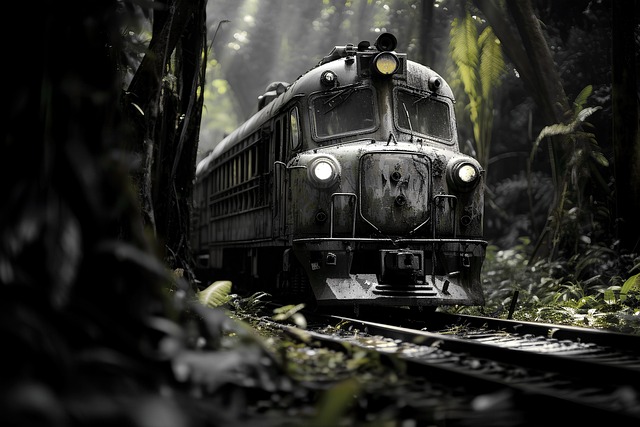
# AI Art: Bridging the Gap Between Technology and Human Expression in Visual Storytelling
The intersection of technology and art has always been a fertile ground for innovation and creativity. In recent years, artificial intelligence (AI) has emerged as a transformative force in the art world, reshaping how artists create and audiences perceive visual storytelling. By leveraging algorithms, machine learning, and neural networks, AI is not only altering the creative process but also expanding the boundaries of human expression. This article delves into the multifaceted impact of AI on art, exploring its potential, challenges, and the future it heralds for visual storytelling.
## Redefining the Creative Process
Traditionally, the artistic process has been a deeply personal journey, often rooted in human emotions, experiences, and cultural contexts. However, with the advent of AI, the creative landscape is evolving. AI tools such as DALL-E, Midjourney, and Artbreeder allow artists to generate images based on textual prompts or modify existing artwork through collaborative algorithms. This capability introduces a new layer of interaction between the artist and the machine, fostering a unique partnership that can lead to unexpected and innovative outcomes.
In this collaborative environment, artists are not merely users of technology but co-creators. By inputting specific parameters or themes, they can guide the AI in generating visuals that reflect their artistic vision. This process can inspire artists to explore new styles, techniques, and concepts that they may not have considered otherwise. The use of AI in art challenges the notion of authorship, as the line between human creativity and machine-generated output blurs, prompting discussions about originality and the nature of creativity itself.
## Expanding Accessibility and Democratizing Art
One of the most significant advantages of AI in the art world is its potential to democratize creativity. Historically, access to artistic tools and training has been limited, often requiring years of study and practice. AI-powered platforms are breaking down these barriers, enabling individuals with little to no artistic background to create compelling visuals. This newfound accessibility empowers a broader range of voices, fostering diversity and inclusivity in the art community.
Moreover, AI art generators can serve as educational tools, allowing aspiring artists to experiment and learn in real-time. By analyzing the output from AI tools, users can gain insights into artistic techniques and styles, enhancing their understanding of visual storytelling. This educational aspect not only nurtures individual creativity but also cultivates a more vibrant and varied artistic landscape, where innovation thrives on diverse influences and perspectives.
## Navigating Ethical Considerations
While the integration of AI in art offers exciting possibilities, it also raises critical ethical questions. The use of AI-generated art prompts discussions about copyright, ownership, and the value of human creativity. As AI systems learn from vast datasets of existing artworks, concerns arise about the potential for plagiarism and the dilution of original artistic expression. Artists and creators must grapple with the implications of using AI tools that may inadvertently mimic or replicate the styles of established artists.
Furthermore, the commercialization of AI-generated art presents additional challenges. As galleries and auction houses begin to showcase AI-produced works, questions about the monetary value of such pieces come to the forefront. What constitutes the worth of an artwork created by an algorithm versus one crafted by a human hand? This dilemma forces the art world to reevaluate its standards and criteria for artistic merit in a rapidly changing landscape.
## The Future of Visual Storytelling
Looking ahead, the relationship between AI and art is poised for continued evolution. As technology advances, we can expect to see even more sophisticated AI tools that not only assist in the creative process but also inspire entirely new forms of artistic expression. The potential for immersive experiences, such as virtual and augmented reality, combined with AI-generated visuals, could redefine how stories are told and experienced.
Artists are likely to embrace AI not as a replacement for their creativity but as a catalyst for exploration and experimentation. The fusion of human intuition with machine intelligence may lead to groundbreaking artistic movements that challenge traditional boundaries and redefine the essence of visual storytelling. As we navigate this uncharted territory, the art community will need to foster dialogue around the ethical implications of AI, ensuring that the integration of technology enhances rather than undermines the human experience.
## Conclusion: A New Era of Expression
AI is undeniably transforming the art world, bridging the gap between technology and human expression in ways that were previously unimaginable. As artists harness the power of AI tools, they are not only expanding their creative horizons but also redefining the very nature of art itself. The democratization of creativity, coupled with the potential for innovative storytelling, presents a promising future for both artists and audiences.
While challenges remain, particularly in the realm of ethics and originality, the dialogue surrounding AI art is essential for shaping a responsible and inclusive artistic landscape. As we embrace this new era of expression, the collaboration between human creativity and artificial intelligence will continue to inspire, provoke, and challenge our understanding of what it means to create and experience art in the 21st century. In this dynamic interplay, we find a rich tapestry of possibilities that celebrates the essence of human storytelling, now enhanced by the capabilities of technology.
